
- Home
- Procedures
- Face
- Nose Surgery (Rhinoplasty)
Nose Surgery (Rhinoplasty)
Rhinoplasty, or nose surgery, reshapes the nose and can also address how well you breathe through it. Because the nose sits at the centre of the face, small changes to the bridge, tip or nostrils shift facial balance, so planning is detailed and specific to your anatomy.
Reasons vary. Some people want to reduce a bump on the bridge, refine a wide or drooping tip, or narrow the nostrils. Others come with a functional concern: a deviated septum, collapsed internal valves, or damage after an injury. Many operations do both, straightening the septum while adjusting the external shape.
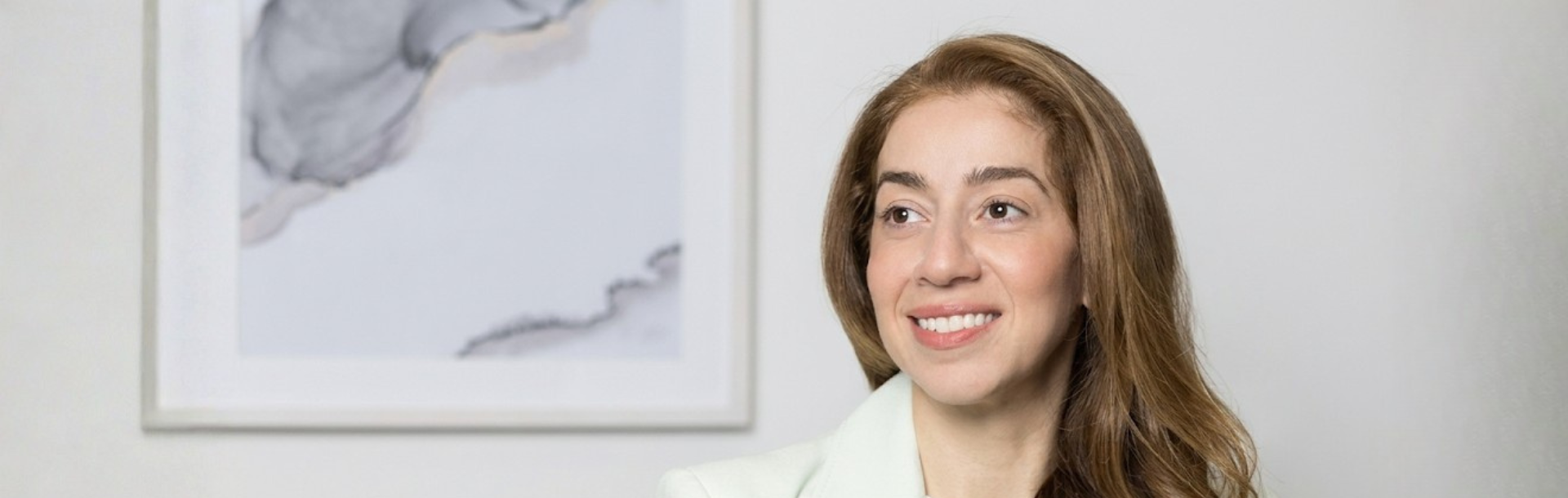
Dr Maryam Seyedabadi, Specialist Plastic Surgeon, MBBS FRACS, takes a personalised approach to rhinoplasty at her rooms in Paddington, Sydney, working towards a nose that suits the rest of your face.
Who it may suit
- A prominent bump or hump along the bridge of the nose
- A tip that is wide, bulbous, drooping or asymmetrical
- Blocked breathing on one or both sides, including a deviated septum
- A nose that changed shape after a fracture or other injury
- Dissatisfaction with a previous rhinoplasty, where revision is being considered
What rhinoplasty involves
Rhinoplasty is performed in hospital under a general anaesthetic, as day surgery or with one night in hospital. Dr Maryam uses a closed or an open approach depending on what needs to change.
- The approach is chosen: closed, with all incisions inside the nostrils and no external scar, or open, with a small incision across the columella between the nostrils giving direct view for detailed tip or revision work.
- Bone and cartilage are reshaped, reduced or repositioned, and the septum is straightened where it is obstructing airflow.
- Cartilage grafts, usually taken from the septum, are used where the tip or the internal airway needs added support.
- The skin is redraped, incisions are closed with fine sutures, and tapes with an external splint are applied. Soft internal splints are sometimes used.
Recovery
Swelling settles in stages, and the final shape appears well after you feel back to normal. Timeframes below are a general guide only.
- Bruising around the eyes and oedema are most noticeable for the first week to ten days, and the splint and tapes usually come off at about a week.
- Nasal congestion is common for several weeks, so breathing can feel worse before it improves.
- Desk-based work is often resumed within one to two weeks, while contact sport and heavy exercise are deferred longer, commonly six weeks.
- Oedema in the tip can take twelve months or more to resolve, so the result is reviewed over that period.
Risks and considerations
All surgery carries risk. For rhinoplasty this includes bleeding, infection, poor wound healing, a visible columella scar with an open approach, numbness of the tip or upper teeth, prolonged swelling, and asymmetry or irregularity of the bridge. Breathing may not improve as much as hoped and can occasionally be worse. Anaesthetic risks include drug reactions and clots in the legs or lungs.
Revision rhinoplasty is a recognised possibility rather than a rare event. Cartilage and scar tissue heal unpredictably, and some patients choose a second, smaller operation once healing is complete. No outcome can be promised, and revision carries its own recovery and fees.
Your consultation with Dr Maryam
A referral from a registered medical practitioner is required before your consultation, and a GP referral is preferred. Dr Maryam examines the outside and the inside of your nose, takes preoperative photographs, and explains what a given technique can and cannot change.
A cooling-off period of at least seven days applies between consent and surgery, and at least three months for patients under 18, who also need assessment by an appropriate registered health practitioner. Fees are quoted after consultation. Correcting a functional problem such as a deviated septum may attract a Medicare item number, while purely cosmetic reshaping does not. Dr Maryam operates at St Luke’s Hospital in Potts Point and East Sydney Private Hospital. Rooms are at 2c Heeley Street, Paddington, and appointments can be made on 1300 067 668.


What actually happens
Your Journey, Step by Step








Before your consultation
Common questions, answered plainly.
Can rhinoplasty improve my breathing as well as the shape of my nose?
Rhinoplasty can address appearance and function. Breathing problems often come from a deviated septum or narrow internal nasal valves, and these can be corrected during the same operation. An examination inside the nose is part of assessment, since a nose that looks straight can still be obstructed, and one that looks crooked may breathe well. Functional and cosmetic goals are planned together and discussed openly.
What is the difference between open and closed rhinoplasty?
In a closed approach, all incisions sit inside the nostrils. In an open approach, a small additional incision crosses the columella, the strip of skin between the nostrils, which leaves a fine external scar but gives more direct access to the tip and framework. Neither is better in every case. The choice depends on what needs changing, particularly at the nasal tip, and on any previous nasal surgery.
How long does it take to recover from nose surgery?
Most people take one to two weeks away from work. Bruising and swelling around the eyes and nose are common in the first fortnight, and a splint or internal supports may be used briefly. Oedema in the nasal tip settles slowly, and it typically takes many months, sometimes a year or more, before the shape looks settled. Timelines vary considerably between people.
What are the risks of rhinoplasty, and do I need a referral first?
Risks include bleeding, infection, altered or worsened breathing, numbness, asymmetry, irregularities you can see or feel, and scarring. Revision surgery is a recognised possibility in nasal surgery, even when the original operation is performed well. A GP referral is required before a consultation for cosmetic surgery in Australia, a cooling-off period applies before booking, and all risks and complications are discussed with you at consultation.
